Calgary Top Landscaping Company for Professional Landscape Installation
Calgary Top Landscaping Company for Professional Landscape Installation
Blog Article
Redesign Your Outdoors With Professional Landscaping Solutions
Improving exterior areas via professional landscaping services can dramatically improve both aesthetics and practical use. Qualified landscapers assess specific grounds, refining plans to match specific climates and soil conditions. They blend a combination of plants and hardscaping elements to fashion beautiful outdoor areas. This carefully planned method boosts home value and cuts maintenance costs. Understanding the key components of quality landscape design is necessary for homeowners endeavoring to enhance their outdoor experience. What measures should they follow up with?
The Positive Impacts of Expert Landscaping Offerings
Professional landscaping services convert outdoor spaces into practical and visually attractive environments. These services offer a range of benefits that go beyond mere appearance. One key advantage is the improvement of property value; expertly crafted outdoor designs can significantly boost a home's market appeal. Additionally, professional landscapers have the expertise to select suitable vegetation and resources tailored to specific climates and soil types, ensuring sustainability and longevity.
Moreover, these offerings can enhance outdoor functionality, creating spaces for unwinding, entertainment, or recreation. By thoughtfully planning layouts, landscaping professionals maximize the use of space while incorporating elements like pathways, decks, and gardens.
Furthermore, contracting specialists can free up homeowners time and effort, reducing the strain of planning and maintenance. This permits individuals to relish their garden areas without the tension of constant upkeep. Ultimately, professional landscaping services build atmospheres that elevate both the beauty and usability of outdoor areas.
Essential Characteristics for a Thriving Landscape Design
A thriving outdoor space design is characterized by multiple important elements that add to both functionality and aesthetic beauty. First, a well-thought-out arrangement maximizes space, guaranteeing ease of movement while establishing distinct areas for relaxation and entertainment. Second, the incorporation of hardscaping elements, such as pathways, patios, and retaining walls, adds organization and durability to the landscape. Third, effective drainage solutions are essential to prevent water accumulation and protect plant health.
Additionally, the application of centerpieces, like sculptures or fountains, captures the eye and improves aesthetic interest. Illumination serves as an important role as well, illuminating pathways and accentuating main garden features, thereby prolonging functionality into the evening hours. Finally, a well-rounded vegetation choice, which accounts for seasonal variations, enhances biodiversity and sustains native creatures. Together, these elements create a cohesive and inviting garden area that reflects the homeowner's character while serving practical needs.
How to Pick the Ideal Plants for Your Yard
How can residents pick the optimal plants for their landscaping? First, comprehending the local climate is essential; plants should prosper in the specific temperature and rainfall conditions of the area. Next, evaluating sunlight exposure helps establish whether to decide on shade-loving or sun-loving varieties. Soil type also plays a significant role; testing soil pH and texture assures compatibility with selected plants.
Property owners should evaluate the yard's dimensions and configuration, picking plants that suit the space without overcrowding. Additionally, choosing local species can boost local biodiversity while needing less maintenance.
Finally, considering personal tastes—such as hue, feel, and seasonal interest—will help create a aesthetically pleasing landscape. A well-thought-out combination of these factors ultimately leads to a vibrant and harmonious outdoor environment that reflects the homeowner's style while being eco-friendly and easy to maintain.
Improving Capability Using Hardscaping
Hardscaping serves as a key feature in enhancing outdoor living spaces by creating functional areas for relaxation and entertainment. It also facilitates the creation of walkways and outdoor platforms, directing foot traffic and adding structure to the landscape. Additionally, well-designed hardscaping can enhance water management and minimize soil degradation, contributing to the overall well-being of the yard.
Upgrading Outdoor Living Spaces
Changing exterior living areas greatly enhances their functionality, creating inviting areas for relaxation and entertainment. Well-planned hardscaping elements, such as retaining walls, outdoor kitchens, and fire pits, can greatly elevate these spaces. Using durable materials like stone, brick, or pavers allows homeowners to achieve a balanced aesthetic that harmonizes with nature while offering useful features. These features not only define areas for social gatherings but also enhance accessibility and organization within the outdoor environment. Furthermore, strategically placed seating arrangements can encourage conversation and foster a warm ambiance. In the end, a carefully created outdoor living space maximizes enjoyment by blending comfort with utility, making it a crucial part of modern home landscaping.
Building Pathways And Patios
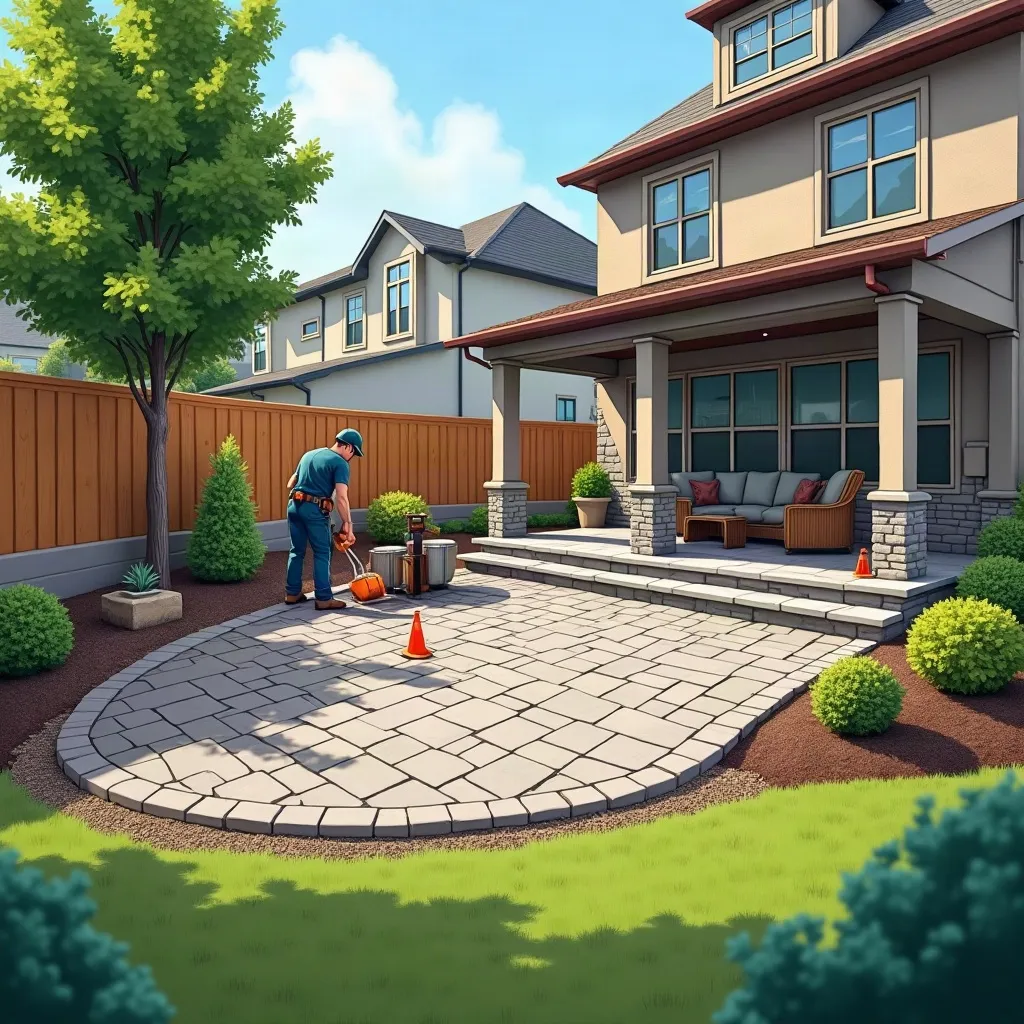
A range of thoughtfully planned pathways and outdoor living areas can markedly elevate yard usability and visual appeal. These landscape features act as important links between multiple zones of a yard, providing clear direction while creating spaces for leisure and entertaining. Patios make welcoming zones for outdoor events, equipped to accommodate furniture and social activities. Pathways, constructed from options like stone, brick, or concrete, both direct foot traffic but also lend to the complete aesthetic style of the outdoor area. Incorporating curves and varying widths can add visual interest, turning the outdoor space more attractive. When professionally installed, pathways and patios integrate seamlessly with the natural environment, enhancing both practicality and aesthetic value in any outdoor setting.
Optimizing Water Drainage And Erosion
Enhancing exterior spaces goes beyond aesthetics; it also involves tackling practical concerns like drainage and erosion. Effective landscaping integrates hardscaping elements such as retaining walls, gravel pathways, and permeable pavements, which help manage water flow and minimize soil erosion. By strategically placing these features, homeowners can redirect surplus rainwater away from vulnerable areas, safeguarding both plants and structures.
In addition, integrating French drains or swales can significantly improve drainage by directing water to designated areas. These strategies not only avert damage but also enhance the overall functionality and longevity of the landscape. Ultimately, professional landscaping services impart expertise in deploying these structural methods, securing a balanced and resilient outdoor environment that withstands the challenges of nature.
Seasonal Maintenance Suggestions for Your Grounds
Effective periodic care is necessary for protecting the beauty and health of any landscape. Property owners should complete specific tasks throughout the year to ensure their outdoor spaces thrive. In spring, the focus should be on eliminating dead matter, aerating the soil, and applying fertilizer to encourage growth. Seasonal upkeep encompasses frequent watering, mulching, and selective cutting to sustain robust vegetation while avoiding infection.
As autumn approaches, it's essential to clear fallen leaves, prepare garden beds for winter, and plant perennials for next year. Winter upkeep may include safeguarding sensitive plants using mulch or fabric, ensuring adequate drainage, and examining hardscapes for frost-related damage. By following these seasonal care guidelines, individuals can improve their outdoor spaces' durability and visual beauty, creating a lively landscape year-round.
What to Ask When Selecting a Outdoor Design Service?
When choosing a landscape company, what key questions should property owners think about to ensure they make an informed choice? Initially, they should inquire about the company's skills and background in the specific type of refer to resource landscaping desired. Comprehending their approach to design and past work can provide useful information.
Initially, homeowners should inquire regarding insurance and licensing credentials to verify adherence to municipal requirements and protection against potential liabilities. A thorough quotation is crucial, so requesting a breakdown of costs will help avoid surprise costs.
Inquiring about the timeframe for project completion and maintenance options is also vital, as it affects sustained satisfaction. Additionally, occupants should research the types of materials and plants the company applies, validating they align with personal preferences and environmental sustainability. Finally, reading reviews and requesting testimonials can supply assurance about the trustworthiness and caliber of the service.
Common Inquiries Posed Regularly
What Cost Should You Expect for Professional Landscaping Services?
Professional landscaping generally runs $50 to $150 per hour, subject to variations in the complexity and scope of the project and location. Homeowners need to factor in supplementary expenses for supplies, creative design, and regular maintenance when budgeting for landscaping services.
How much time does a landscaping project typically require?
A landscaping assignment ranges from several weeks or possibly just a few days in timeframe, influenced by the range of work, territory size, and design intricacy, with major projects necessitating extra time for achievement.
Can Exterior Design Enhance Worth to My Property?
Landscaping can significantly enhance home worth by enhancing curb appeal, establishing welcoming exterior areas, and perfecting general appearance. Carefully tended outdoor gardens and thoughtful planning often bring in future homeowners, rendering more desirable in the real estate market.
Which Licenses Are Required for Landscape Projects?
Landscaping undertakings often demand multiple permits, contingent on local statutes. Common permits comprise those for removing trees, adding structural elements, and drainage modifications. Homeowners should consult with local authorities to confirm adherence with zoning laws and environmental guidelines.
How Significantly Do Weather Conditions Affect Your Landscape Design Decisions?
Weather factors greatly influence landscaping choices, as factors like rainfall, temperature, and sunlight determine plant selection, soil preparation, and maintenance strategies. Adapting designs to local climate guarantees longevity, growth, and overall aesthetic appeal in outdoor spaces.
Report this page